
Four Years After the Genocide Judgment: Reflections on the Uyghur Tribunal

December 8, 2025
A UHRP Insights column by Dr. Henryk Szadziewski, Director of Research, and Zubayra Shamseden, UHRP Chinese Outreach Coordinator
In June 2021, the Uyghur Tribunal opened its first hearings in London, marking an unprecedented civil society effort to confront the mounting evidence of atrocity crimes committed against the Uyghur people. Established at the request of the World Uyghur Congress after years of paralysis in the international system, the Tribunal was conceived as an independent “people’s tribunal” to examine, in a transparent public forum, whether the Chinese government’s campaign in East Turkistan met the legal threshold for genocide under the Genocide Convention.
Chaired by renowned barrister Sir Geoffrey Nice, whose previous work includes serving as lead prosecutor in the trial of Slobodan Milošević, the Tribunal brought together a distinguished panel of jurors. Its members included human rights specialists, scholars, and legal experts such as Nick Vetch, Tim Clark, Professor Raminder Kaur, Dame Parveen Kumar, Professor David Linch, Professor Ambreena Manji, Professor Audrey Osler, and Catherine Roe, with international human rights lawyer Hamid Sabi serving as Counsel.
Over months of hearings, the Tribunal reviewed extensive documentation and heard live testimony from dozens of witnesses. Survivors described torture, rape and gang rape, forced sterilization and abortion, the administration of drugs that halted menstruation, mass detention, constant surveillance, enforced family separation, and pervasive intimidation by state officials. Researchers and experts detailed a systematic campaign aimed at dismantling Uyghur identity, culture, and family life.
On December 9, 2021, the Tribunal delivered its judgment: the Chinese government had committed genocide against Uyghurs and other Turkic peoples in the Uyghur Region through targeted birth-prevention policies, alongside crimes against humanity, torture, and sexual violence.
Four years after this landmark determination, we asked seven individuals involved in the Tribunal, including four camp survivors, to reflect on its short-term legacy, its impact, and the responsibilities it places on the international community today.
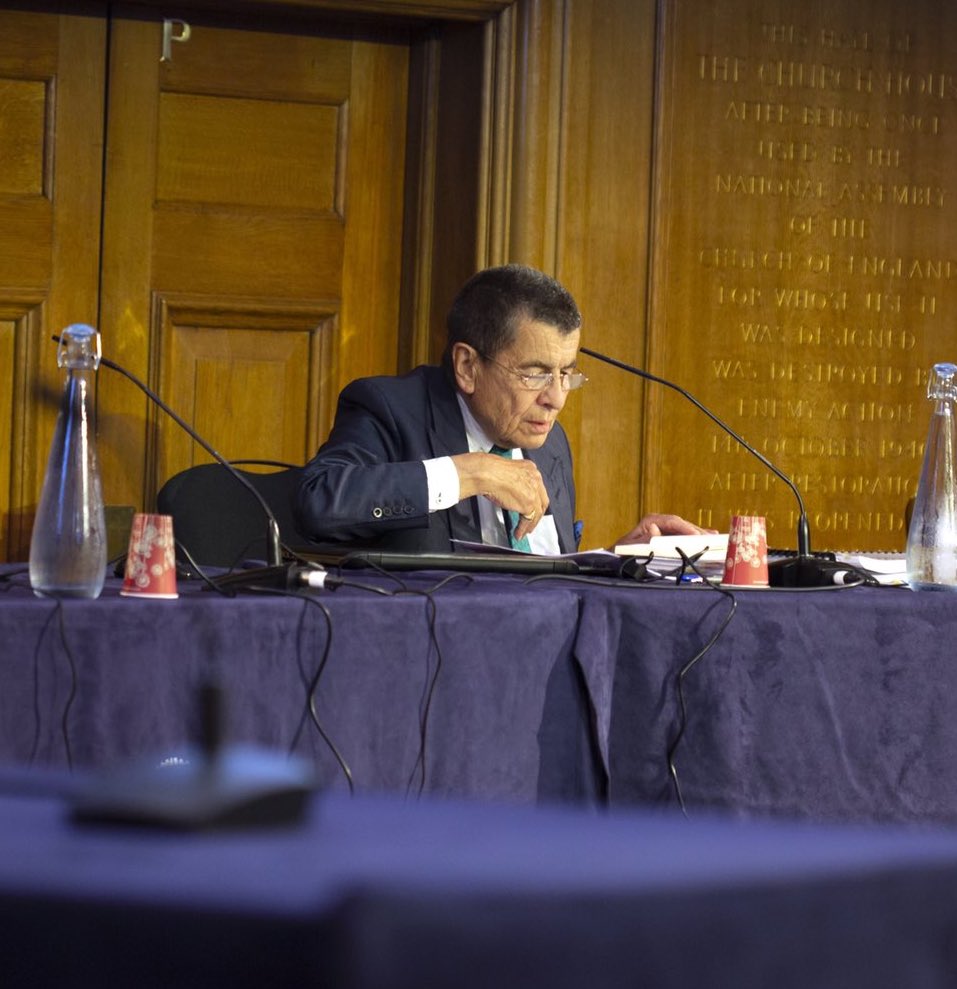
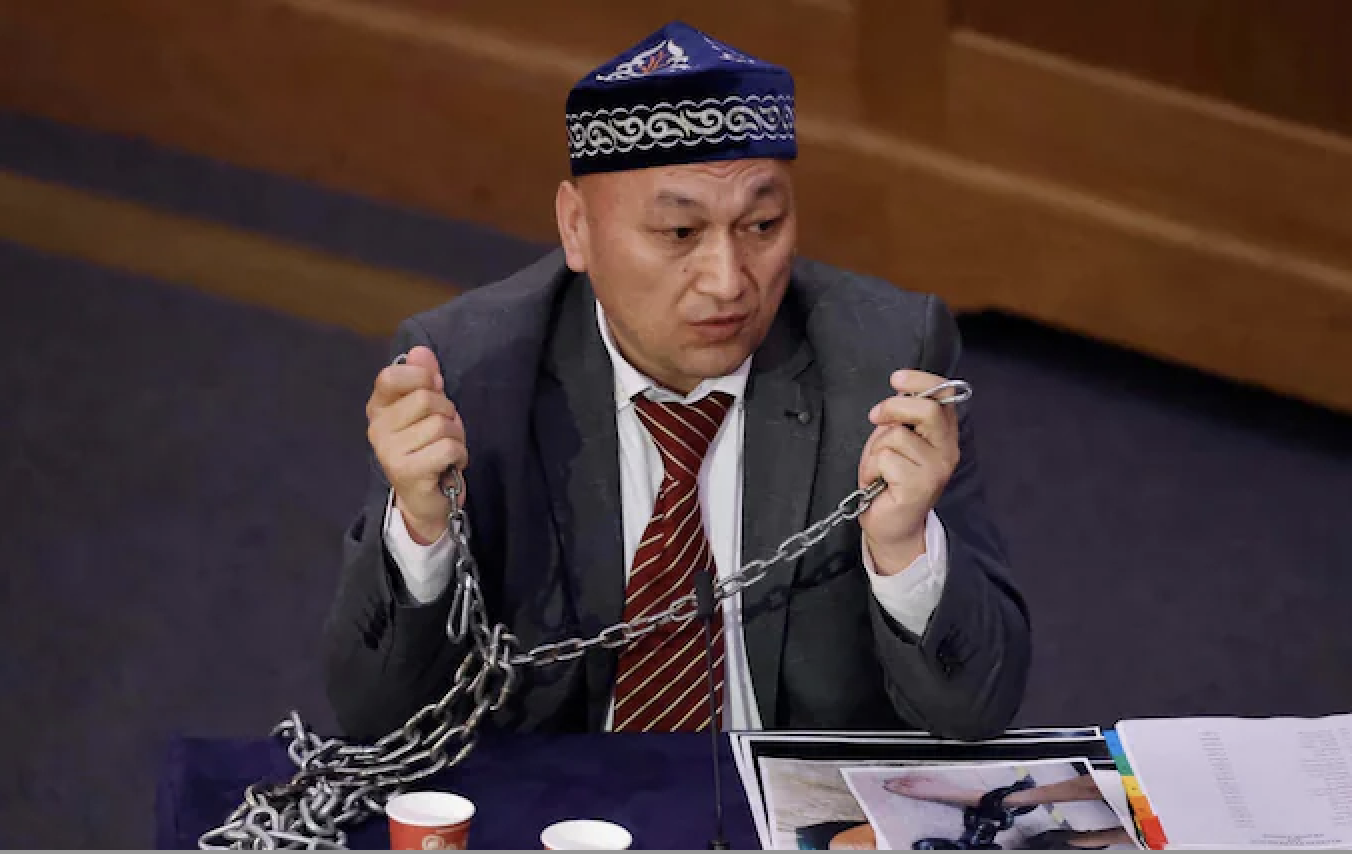
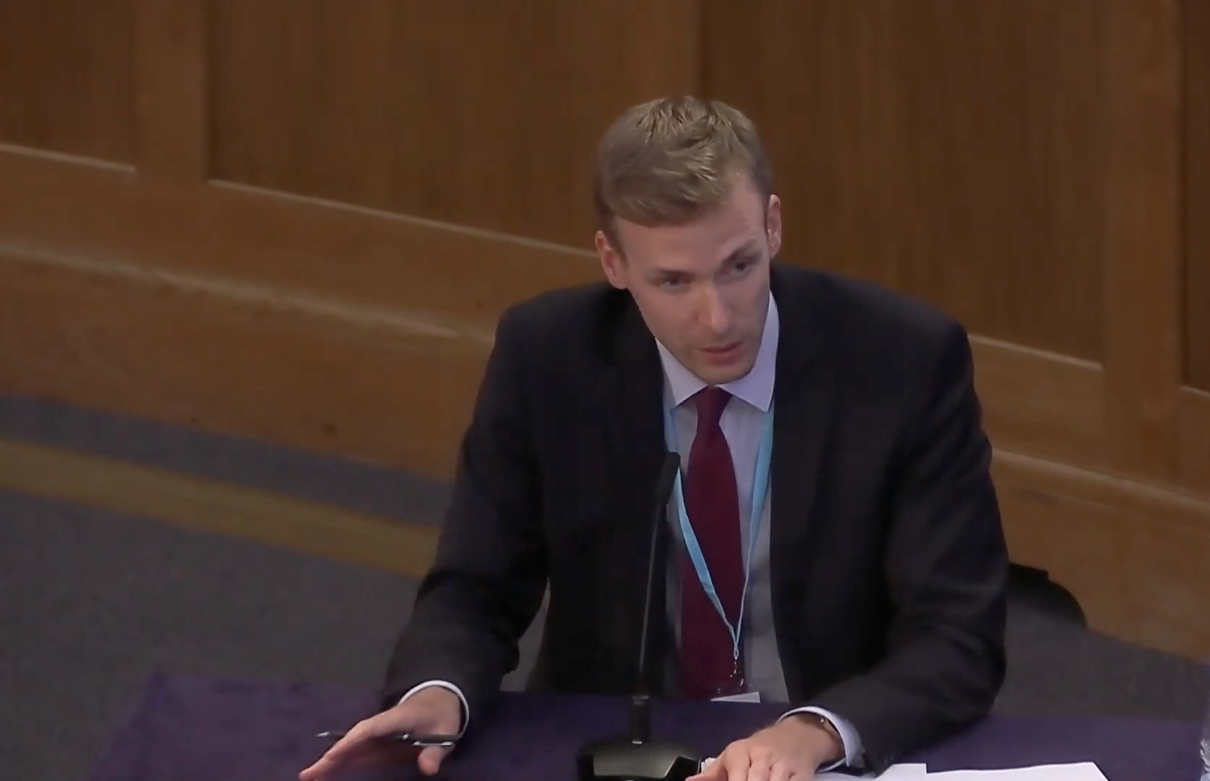
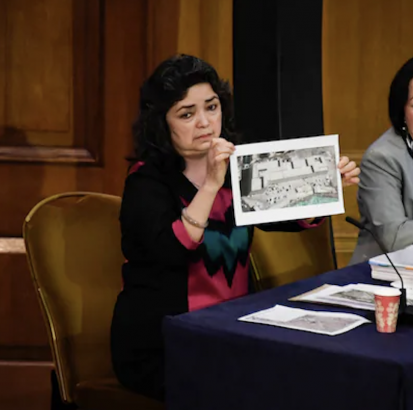
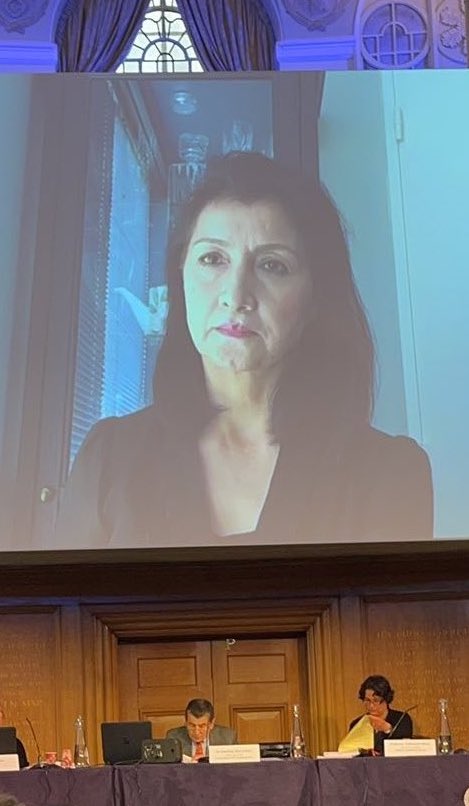
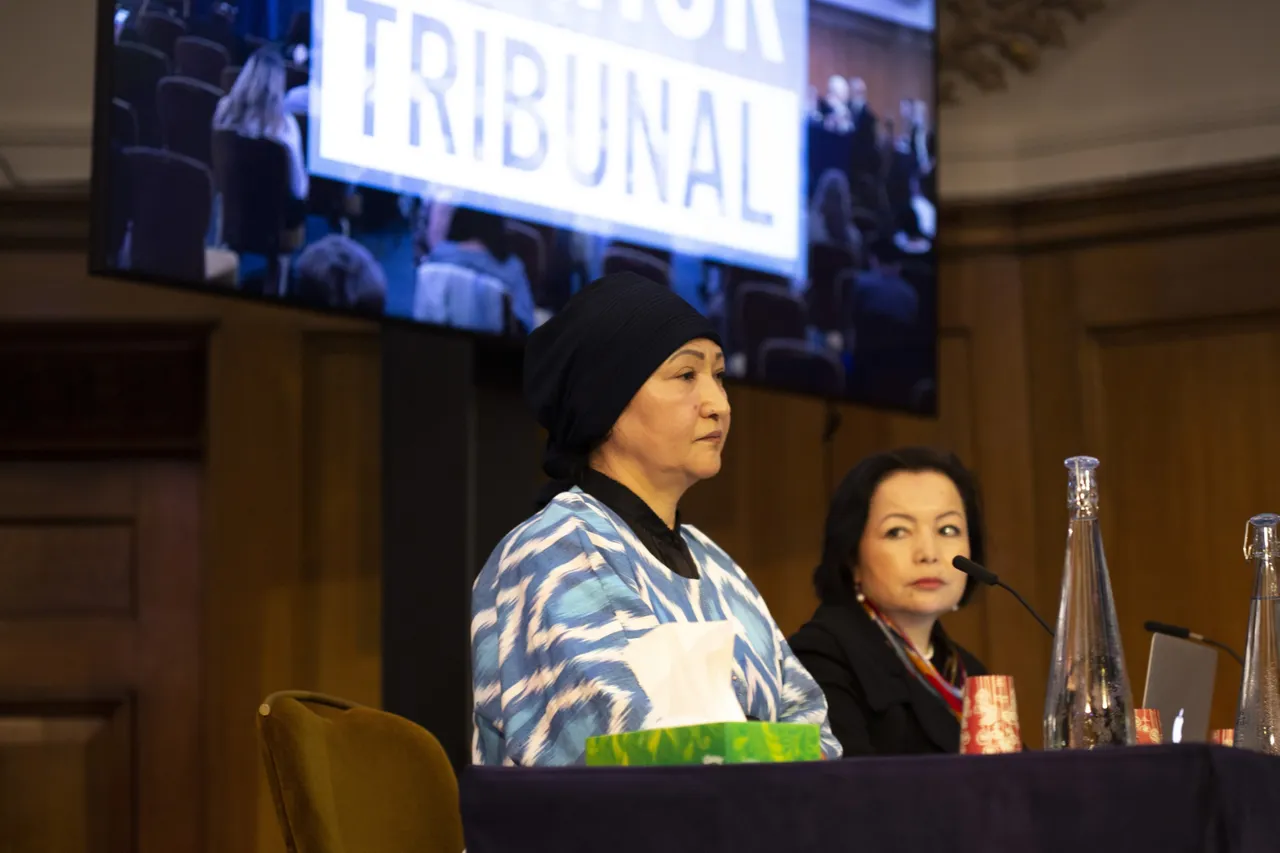

Four years after the Uyghur Tribunal’s judgment, what stands out to you most about its significance or legacy?
Sir Geoffrey Nice, Chair of the Uyghur Tribunal, barrister, Chair of the Board, The Geoffrey Nice Foundation: The Tribunal and its members are not activists. Our judgment was created for others to use. To be of use, it had to be reliable, trustworthy, based entirely on public evidence and publicly disclosed reasoning, and to apply established law without any attempt to expand it. What stands out is that the Tribunal succeeded: its judgment has not been challenged or deconstructed in any significant way (PRC challenges were never detailed), and it has been of considerable value to activists, politicians, and others for whom it was intended.
Qelbinur Sidik, Witness to the Uyghur Tribunal and camp survivor: Although four years have passed, the Tribunal’s influence remains very strong. Because of it, I was re-energised. A leader of the Green Party in the Netherlands found me after watching my testimony and took me to TV stations and Parliament. Another Dutch government figure who contributed to recognising the Uyghur genocide found me the same way. Three young Dutch people inspired by my testimony are writing a book about me. A documentary filmmaker found me after seeing my testimony and we made a film, which received awards in Amsterdam. People watched with interest and asked many questions; the filmmaker said she was very touched by the testimonies and decided to make the documentary after the Tribunal.
I am still proud that I testified. It has historic significance. Wherever I testified afterwards, we brought the court’s recognition order, and I believe it played a crucial role in Uyghur advocacy work.
Gulbahar Hatiwaji, Witness to the Uyghur Tribunal and camp survivor: The establishment of the Tribunal gave me great hope. The involvement of influential people like Sir Geoffrey Nice, the media publicity, and wide distribution on the internet made me emotional and inspired. I believed the Chinese government would be punished, the camps closed, repression ended, and the Uyghurs free. On the day the order was released, we were so excited and happy. However, four years later, I have not seen progress. I feel the Uyghur cause has gone backwards. Many countries recognised the genocide and issued laws, but these remain empty words. Many countries prioritise benefits from trade with China over human rights, humanity, and moral conscience.
Omerbek Ali, Witness to the Uyghur Tribunal and camp survivor: I don’t feel the actions taken after the Tribunal are good enough. Because this court played a crucial role in bringing the lead criminal in the Bosnian genocide onto the international stage, I had very high hopes that the same outcome would happen to Xi Jinping and the CCP would be held to account. But my expectations didn’t come to pass. I feel very sad that economically strong countries’ reliance on China has created a barrier preventing this court’s result from reaching international recognition.
Gulbahar Jelilova, Witness to the Uyghur Tribunal and camp survivor: China was truly afraid of the Tribunal. One day before I was to testify, China forced two detained girls—who had stayed with me in the concentration camp and faced rape—to speak against me. Although they were forced, I was happy to see them alive. At least they were living.
Hamid Sabi, Counsel to the Uyghur Tribunal, international human rights lawyer: The most important legacy of the Tribunal is the record it has left. Over 50 witnesses testified, giving live testimony of the harrowing treatment of the Uyghurs in the camps, the constant control and monitoring of every activity, and the swift and cruel punishment for any action disapproved of by the PRC. The records also prove the PRC’s determination to deprive Uyghurs of the right to practise their religion, speak their own language, and maintain their culture and heritage. A further legacy is the PRC sanctioning the Chair and those associated with the Tribunal, and its continued harassment of academics who testified.
Peter Irwin, Witness to the Uyghur Tribunal, Associate Director for Research and Advocacy, Uyghur Human Rights Project: The people. The Tribunal was an opportunity to hear from those affected by China’s policies firsthand. Many of these same people continue work to uncover ongoing abuses and to find creative ways to hold the Chinese government and other complicit actors accountable. People’s tribunals have existed for decades, particularly where powerful state actors wield disproportionate influence. Working alongside the Uyghur movement, I have witnessed how important mechanisms like this are in affirming truth when traditional avenues are blocked.
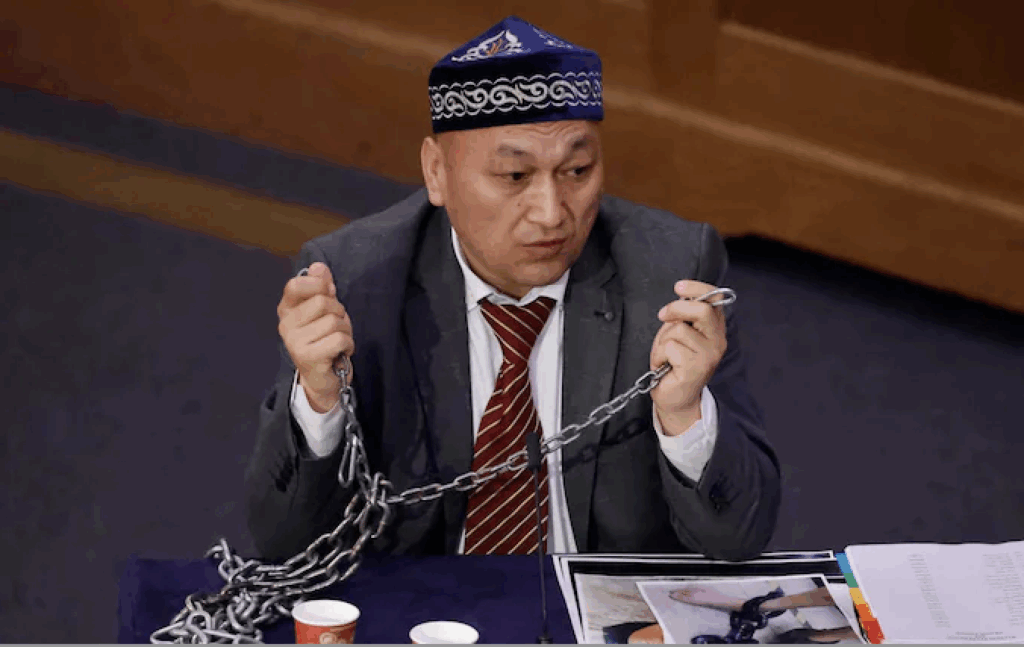
In the years since, have you seen any developments, big or small, that give you a sense of progress or continued attention to Uyghur justice?
Sir Geoffrey Nice: This question is more for the World Uyghur Congress and other bodies to deal with. My sense—and there was and is no reason for Tribunal members, including me, to stay abreast of detail—is that the judgment is referred to regularly in parliaments and other organisations of significance around the world, and is often the subject of study and research by students.
Qelbinur Sidik: I heard a lot about the Uyghur Tribunal. Uyghurs who managed to leave East Turkistan through Turkey or other routes and then came to European countries, such as the Netherlands, Norway, Sweden, or Belgium, say that the first thing they hear is, “Uyghurs are well known here.” As soon as we say “we are seeking asylum and we are Uyghur,” the officials say, “Yes, we know you are Uyghur,” because they have seen the Uyghur Tribunal. Although four years have passed since the Tribunal, whether small or big, its influence, role, and contribution in developing and promoting Uyghur issues remain significant.
Gulbahar Hatiwaji: The deportation of Uyghurs from Thailand, the cutting of funds to Radio Free Asia, and the insecurity and inability to live in peace for Uyghurs in Turkey have really disappointed us. Each time I hear that an Uyghur will be deported back to China, I feel lost. I can imagine what they will go through. Since I have experienced the concentration camps, I know how cruel and inhumane the Chinese authorities are and what will happen to those deported Uyghurs.
Omerbek Ali: Yes, of course we saw developments. I believe many countries around the world, especially the EU, the US, Canada, and Australia, made it crystal clear that a Uyghur genocide is happening, how China is wiping out the Uyghurs, and what kinds of political threats exist. It also made clear the weaknesses of international laws; tragically, the court played the role of showing that interests come first and rights second when it comes to human rights issues. I also witnessed that the court was able to push countries to take strong economic and political measures against China.
Gulbahar Jelilova: After the Uyghur Tribunal, many countries recognised the Uyghur genocide. Two years ago, France also recognised the Uyghur genocide. But within those two years, there has not been much movement on the Uyghur issue in France. Although I am living in France, a free and democratic country, the Chinese are still attacking me; the attack even reached all the way to my house in France.
Hamid Sabi: I understand that a large number of the camps have been dismantled. The PRC has taken measures to claim that it has ended mistreatment of the Uyghurs—mostly well-known propaganda tactics. A large number of parliaments in democratic countries have taken notice of the Tribunal’s judgment. Legislation was passed by these parliaments to prohibit the importation of products made by slave labour from Xinjiang. The PRC’s standing among the citizens of Western democracies has plummeted since the Tribunal was established.
Peter Irwin: We know so much more today about the mechanisms of repression than we did before witnesses spoke out, or before journalists and researchers dug into what’s happening on the ground and who’s responsible. We have a real movement that will continue to fight for accountability in the years to come.
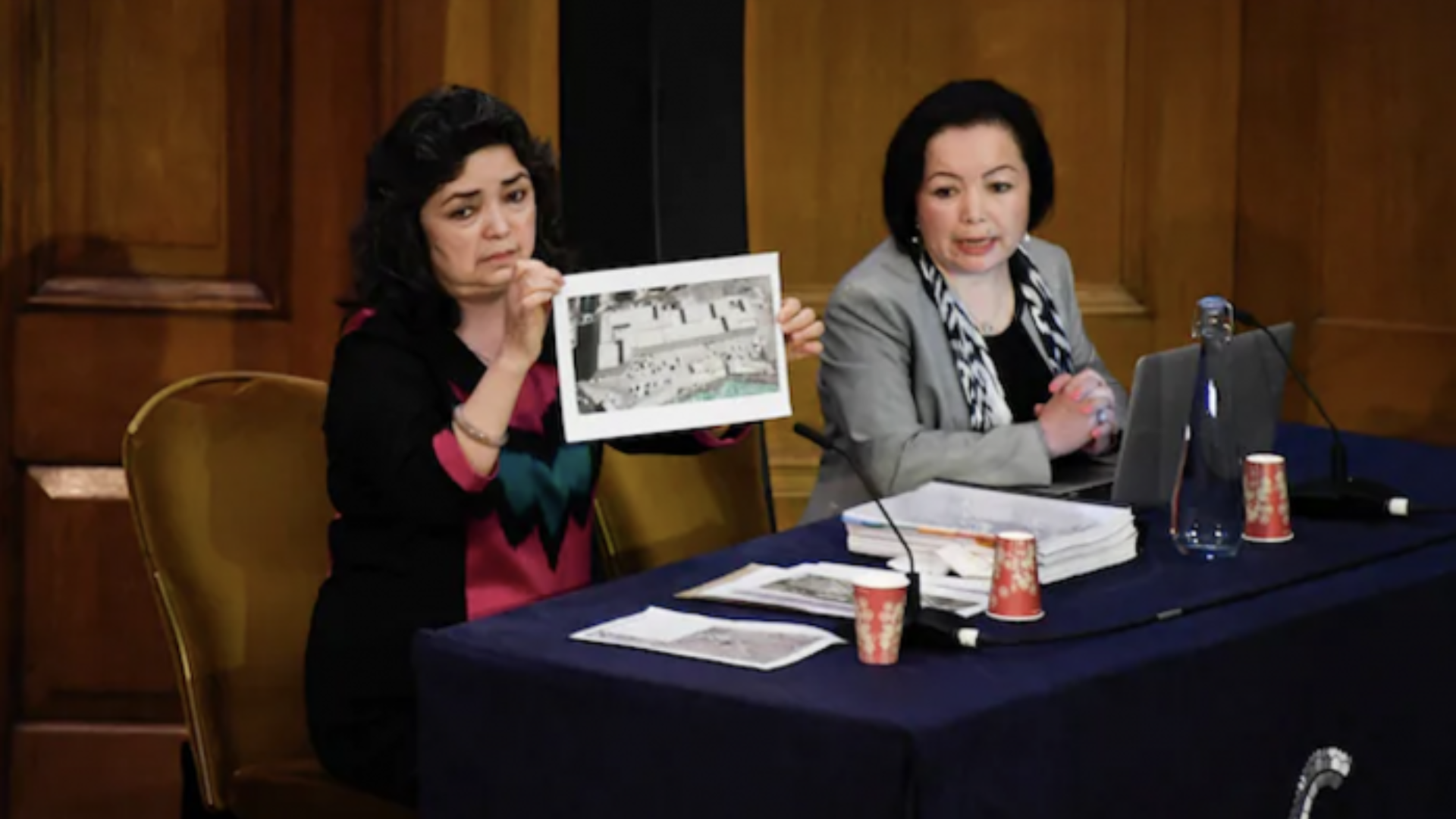
As we mark this anniversary, what steps do you think governments, institutions, or the public should take to build on the Tribunal’s findings?
Sir Geoffrey Nice: Governments should now tell the truth about how they have assessed the criminality of other states. Institutions and the public should focus on getting governments to tell these truths, where in the past governments preferred to evade them. It was obvious that governments would have made assessments of criminal guilt by the PRC concerning the Uyghurs (and other victim groups) even if kept secret from voters. What else would major governments do, confronted by evidence of grave crimes, than assess the issue themselves?
The UK Foreign Office at the time of the Rwanda genocide forbade the use of the word “genocide” so as not to expose the government to its duty under the Genocide Convention. Recently, David Lammy asserted that his government had not found the mental element required for proof of genocide against Israel, which shows that governments make assessments without any judge assessing the issue first. Letting voters know these assessments allows voters to press governments to act. If governments tell the truth, democracy will function better—and people’s tribunals may be less in demand.
Qelbinur Sidik: As a camp survivor, whenever I testify—whether at government entities, talking to journalists, in parliaments, or in foreign affairs organisations—the questions often start with: “When you testified at the Uyghur Tribunal…” or “We heard your testimony at the Uyghur Tribunal.” These are comments I am still hearing.
As we commemorate the four-year anniversary of the judgment, governments, institutions, the public, and all other entities should take strong measures to implement the court ruling; use the order to make laws against China, strongly implement those laws, and bring the Uyghur issue back onto the agenda. The ruling should also play a crucial role in resolving Uyghur refugee issues. The public should continue to spread the news about the judgment.
Gulbahar Hatiwaji: In recent years, to hide its crimes, China is doing everything it can. It has opened its borders and intensified fake propaganda, and some Uyghurs in the diaspora have believed this misinformation. This has caused division, with some people no longer taking part in events, protests, or community activities; this is very disappointing. From this, I sometimes feel the Uyghur Tribunal has no meaning.
When we ask what needs to be done—honestly, I didn’t know what to say. But I think there should be another, bigger, more important and influential Tribunal established, and the order of that Tribunal should be implemented in practice. I hope the Tribunal order should not just be words; it should be implemented practically. I hope China will be punished. As China is deceiving the world with fake information, the world should do something to prove it is fake. Foreign people must also be educated. We must continue to expose that the Uyghur genocide is ongoing, the repression exists, and the concentration camps have not been closed.
Omerbek Ali: All countries and governments should not forget this issue. They should continue to spread the court order, the genocide recognition, and the truth that the CCP is the enemy of humanity and a serious threat to world peace and the global economy. This is very important work and should continue so that young people and the public do not take this issue lightly.
This issue should be brought onto the world agenda. This is not only a simple Uyghur genocide; it is an important issue for the whole world to come together and stop inhumane, unjust, atrocious regimes who try to destroy humanity.
Gulbahar Jelilova: Presenting information in the media about the ongoing genocide should be intensified. Pressure on China should be strong. Whether in institutions, the media, or different entities, writing letters and statements to different sectors and educating people about the ongoing Uyghur genocide should continue.
Hamid Sabi: The governments’ obligations under the Genocide Convention are clear and unequivocal. All member states are required to take whatever action they can to stop genocide.
Peter Irwin: All of these actors need to understand how intimately the Uyghur issue is tied to global systems that often enable or benefit from broader human rights abuses. Whether it is the region’s role in the climate crisis or its centrality to global supply chains, the Uyghur issue is far from an isolated problem. You cannot make real progress advancing climate justice, ending forced labour, or building responsible supply chains without confronting what is happening to Uyghurs at the same time.
Read evidence submissions to the Uyghur Tribunal from Qelbinur Sidik, Gulbahar Hatiwaji, Omerbek Ali, Gulbahar Jelilova, and Peter Irwin.
Note: The contributions from Qelbinur Sidik, Gulbahar Hatiwaji, Omerbek Ali, and Gulbahar Jelilova were translated from the original Uyghur into English by Zubayra Shamseden. Responses were edited for length.