17 Years After the July 5 Ürümchi Massacre, UHRP Calls for Truth, Justice, and an End to Forced Labor Transfers
For immediate release
July 3, 2026, 10:30 a.m. EST
Contact: Omer Kanat, +1 (202) 790-1795
Seventeen years after Chinese security forces violently suppressed Uyghur demonstrators in Ürümchi, the Uyghur Human Rights Project (UHRP) calls on the Chinese government to account for those killed, disappeared, and imprisoned in the aftermath of the July 5, 2009 unrest.
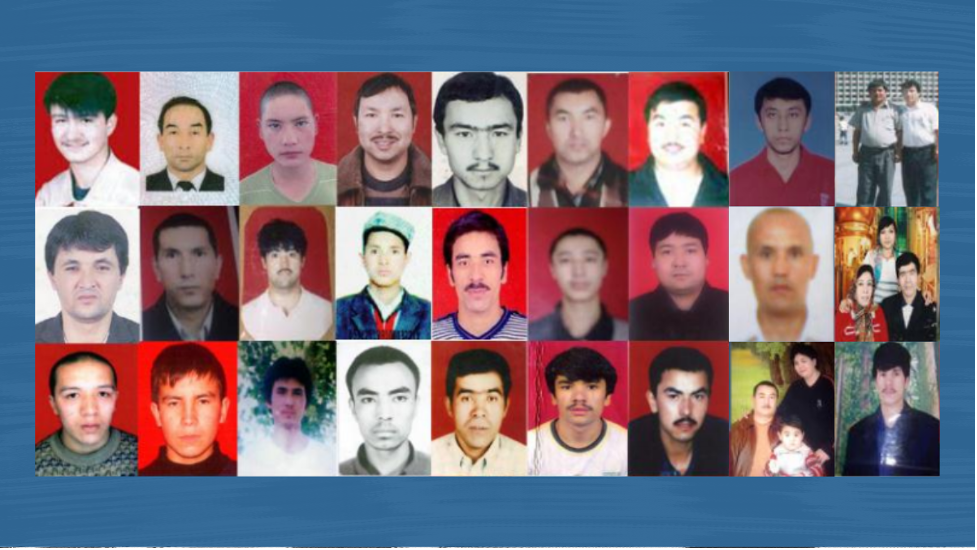
Despite appeals from victims’ families, Chinese authorities have never provided a transparent accounting of the number of people killed, injured, detained, or forcibly disappeared during and after the crackdown. Many families continue to live without knowing the fate or whereabouts of their loved ones.
“The July 5 crackdown marked a decisive turning point in the Chinese government’s campaign against the Uyghur people,” said UHRP Executive Director Omer Kanat. “The impunity that followed the killings, enforced disappearances, and mass arrests sent a dangerous message that China could escalate repression without consequence. The result was the mass internment, forced labor, family separation, and other atrocity crimes that followed.”
On July 5, 2009, Uyghurs gathered peacefully in People’s Square in Ürümchi to demand accountability following the killing of Uyghur factory workers in Shaoguan, Guangdong Province. The workers had been transferred from East Turkistan to factories in eastern China under state-supported labor programs. After false rumors spread online, Han Chinese mobs attacked Uyghur workers, killing at least two, possibly more, and injuring many others. The authorities’ failure to conduct a credible investigation into the murders sparked widespread outrage among Uyghurs.
Eyewitness testimony collected by UHRP indicates that Chinese security forces opened fire on peaceful demonstrators in Ürümchi before carrying out sweeping arrests across Uyghur neighborhoods. In the days and weeks that followed, thousands of Uyghurs were detained. Many were sentenced in proceedings that failed to meet international standards of due process, while others were forcibly disappeared.
The July 5 crackdown foreshadowed the policies that would emerge on an unprecedented scale beginning in 2017. Technologies of mass surveillance, arbitrary detention, collective punishment, restrictions on religious and cultural expression, and enforced disappearances all intensified in the years after 2009 before culminating in mass internments and forced sterilizations that independent experts concluded amount to genocide.
The origins of the July 5 protests also underscore how labor transfers remain a central component of Chinese government policy. The transfer of Uyghur workers that preceded the Shaoguan killings was not an isolated incident. Today, state-directed labor transfer programs continue to remove Uyghurs from their communities and place them in factories within the Uyghur Region and across China. These programs remain a key mechanism through which authorities pursue assimilation, social control, and the erosion of Uyghur identity.
UHRP calls on governments, parliaments, and international organizations to demand truth, justice, and accountability for the victims of the July 5 crackdown, including by pressing the Chinese government to disclose the fate of those who were killed, disappeared, and imprisoned.
Read more: