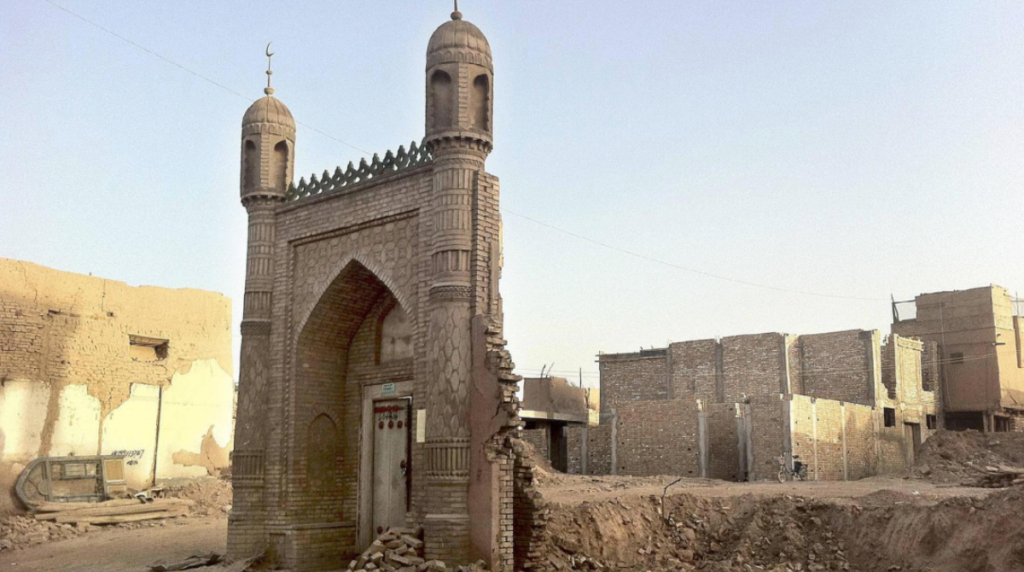
Demolishing Faith: The Destruction and Desecration of Uyghur Mosques and Shrines
The Chinese government’s current crackdown in the Uyghur region is aimed at eliminating Uyghur ethnocultural identity and assimilating them into an undifferentiated “Chinese” identity.

The 2022 Winter Olympics and Beijing’s Uyghur Policy: Sport in the Shadows of Concentration Camps
The 2022 Olympic Winter Games, if held in China, will boost exchanges and mutual understanding between the Chinese and other civilizations of the world, encourage more than 1.3 billion Chinese to engage in winter sports with interest and passion, and give them yet another opportunity to help advance the Olympic movement and promote the Olympic spirit.
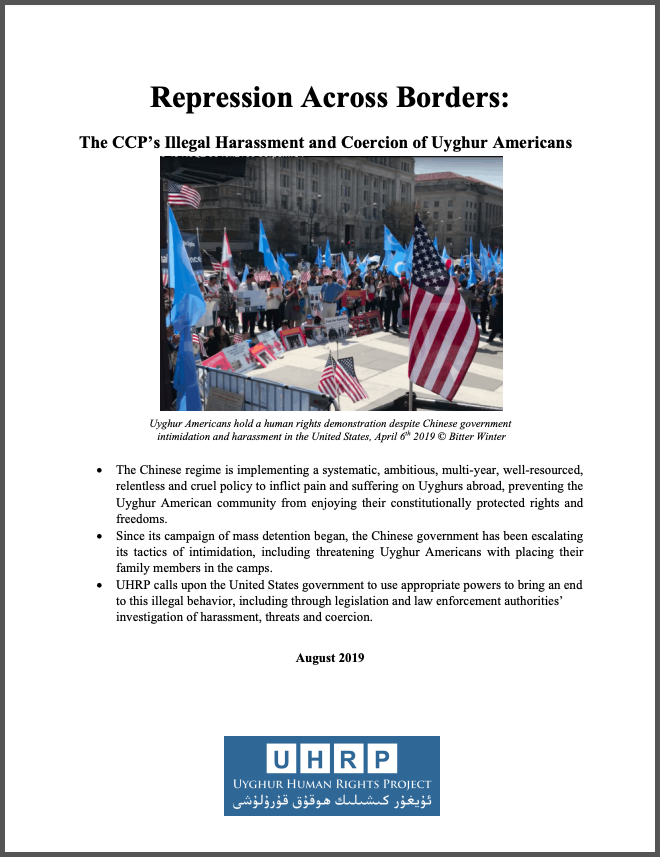
Repression Across Borders: The CCP’s Illegal Harassment and Coercion of Uyghur Americans
The Chinese regime is implementing a systematic, ambitious, multi-year, well-resourced, relentless and cruel policy to inflict pain and suffering on Uyghurs abroad, preventing the Uyghur American community from enjoying their constitutionally protected rights and freedoms.
UHRP Presentation, Senate Human Rights Caucus
Presentation by UHRP Director Omer Kanat at the July 24, 2019 U.S. Senate Human Rights Caucus Briefing “Religious Freedom in China: Assessing the Role of Surveillance Technology in Abuses Against the Uyghurs and Across China”
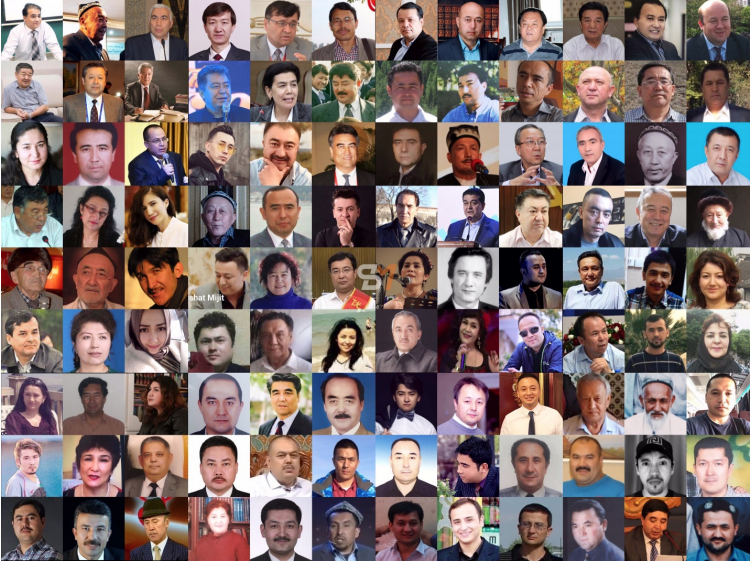
Detained and Disappeared: Intellectuals Under Assault in the Uyghur Homeland
An updated Uyghur Human Rights Project report by Henryk Szadziewski Since April 2017, the Chinese government has interned, imprisoned, or forcibly disappeared at least 435 intellectuals as part of its intensified…
Resisting Chinese Linguistic Imperialism: Abduweli Ayup and the Movement for Uyghur Mother Tongue-Based Education
A new special report published by the Uyghur Human Rights Project highlights the politically motivated linguicide of the Uyghur language
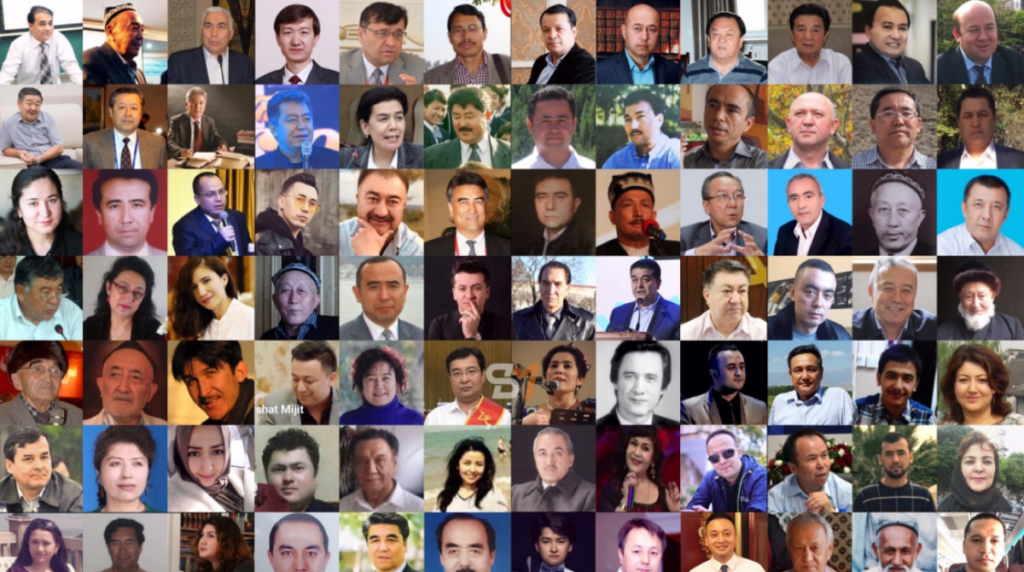
Detained and Disappeared: Intellectuals Under Assault in the Uyghur Home Land
Since early 2017, the Chinese government has conducted a massive policy of disappearance, massinternment, and imprisonment of Uyghur people.
The Persecution of the Intellectuals in the Uyghur Region Continues
Since April 2017, the Chinese government has interned, imprisoned, or forcibly disappeared at least 338 intellectuals as part of its intensified assault on Uyghurs and extermination of their culture in East Turkestan.
Cultural Destruction in East Turkestan
The Chinese government has been demolishing Uyghur neighborhoods across East Turkestan, for more than a decade. This has resulted in the loss of physical structures, including Uyghur homes, shops, and religious sites. Uyghurs have been forcibly relocated to heavily monitored apartment blocks.
Religious Repression of the Uyghurs
Religious expression is one of the primary reasons the government is sending people to the expanding network of internment camps across East Turkestan (aka Xinjiang). There are reports of people being sent to the camps for having attended a wedding or funeral where a religious passage was read.
Concentration Camps in China for Uyghurs and Other Turkic Muslims
The massive scale and sudden establishment of the concentration camp system in East Turkestan is unprecedented. According to US government estimates, there are a minimum of 800,000 and possibly over 2 million people currently detained. This is up to 20 percent of the Uyghur population.
Assault on the Uyghur Language in East Turkestan
Chinese government officials have emphasized Mandarin language ability as a marker of modernity and, more recently, a necessity in the fight against “terrorism.”

“Time to End Business as Usual”: The Global Response to the Uyghur Concentration Camps in China
UHRP calls on governments, Muslim and all faith leaders, companies, and academic institutions to end business as usual with the government of China, at a time when it is expanding concentration camps for Uyghurs and other Turkic Muslim groups. UHRP asks governments and businesses to think about the judgment of history, and take urgent action.
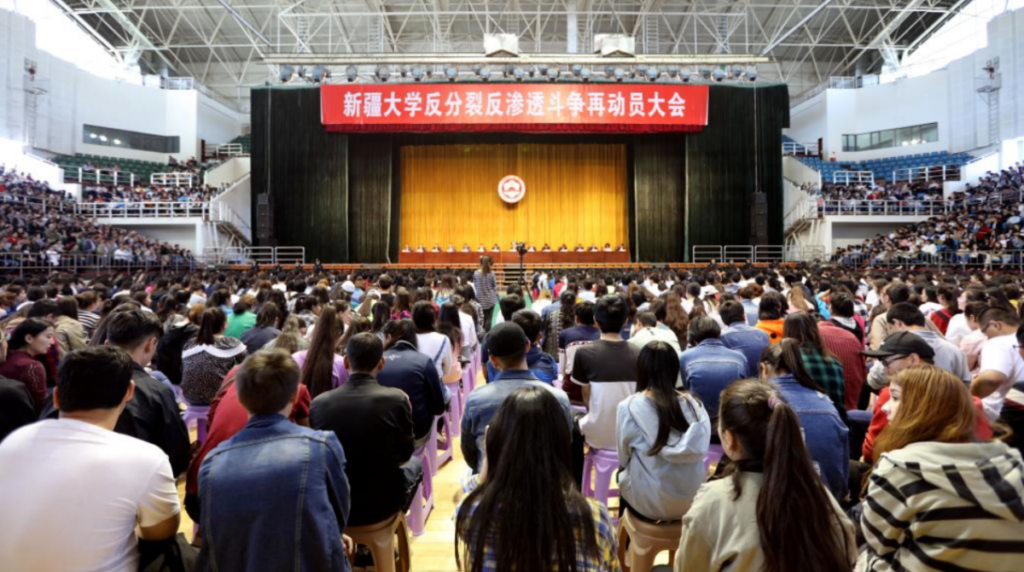
The Persecution of the Intellectuals in the Uyghur Region: Disappeared Forever?
The Uyghur Human Rights Project (UHRP) has identified 231 Uyghur intellectuals known to have disappeared, to have been taken into internment camps, or to have died in custody in China, from April 2017 through September 2018.
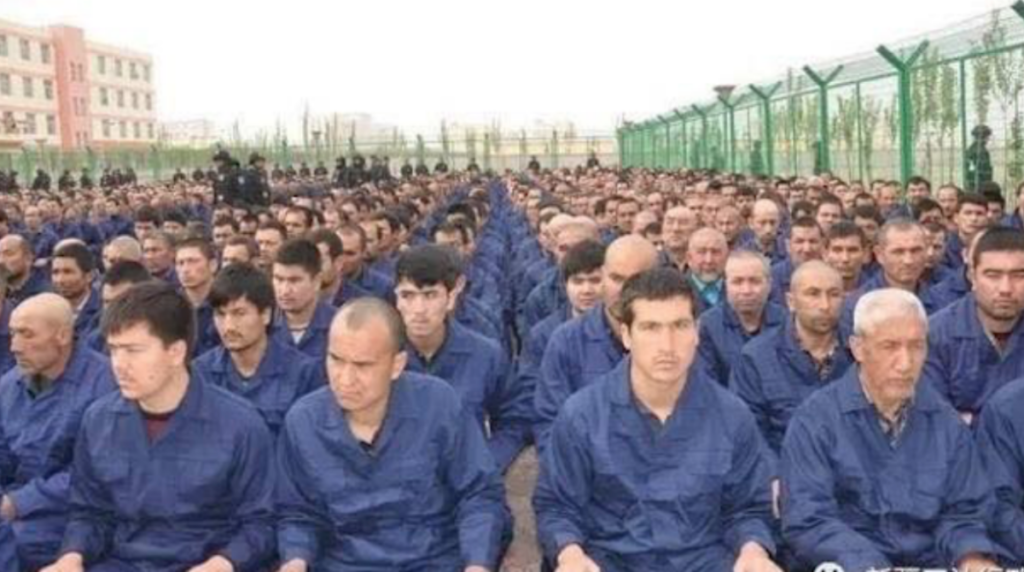
The Mass Internment of Uyghurs: “We Want to be Respected as Humans. Is it too much to ask?”
n rights crisis in East Turkestan (also known as the Xinjiang Uyghur Autonomous Region) requires an urgent international response.
“Another Form of Control”: Complications in obtaining documents from China impacts immigration processes and livelihoods for Uyghurs in the United States
Fear of contacting relatives in China and imposition of arbitrary conditions to obtain documents prevents Uyghurs from beginning new lives in t
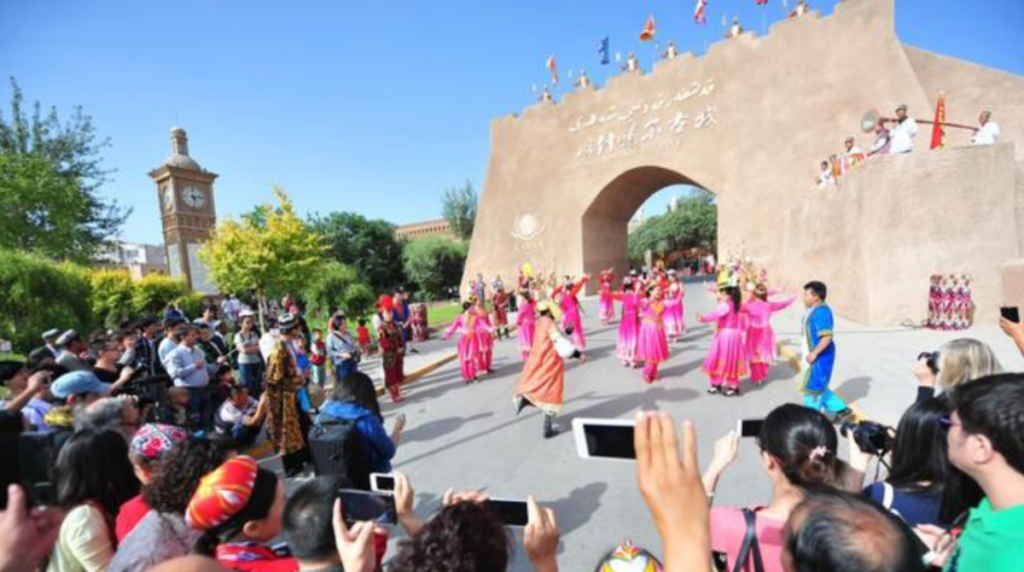
Extracting Cultural Resources: The Exploitation and Criminalization of Uyghur Heritage
The government of the People’s Republic of China has always reserved the right to control the cultural expression of its citizens and has perceived cultural production as an important tool for maintaining power.
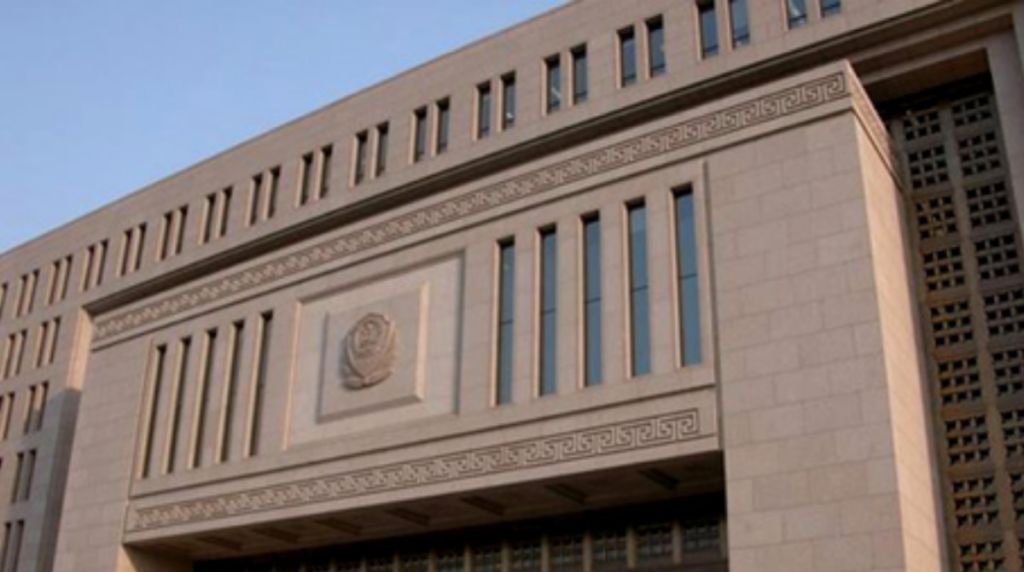
Chinese Government Accelerates Assimilative Policies in “Sinicization of Religion” Campaign
A Uyghur Human Rights Project report by Nicole Morgret. Read our press statement on the report here, and download the full report here. Earlier this month the Chinese State Council Information Office,…

The Bingtuan: China’s Paramilitary Colonizing Force in East Turkestan
The bingtuan (also known as the Xinjiang Production and Construction Corps (XPCC) or in Mandarin: xinjiang shengchang jianshe bingtuan—(this report will refer to the group as the bingtuan), is a paramilitary organization in East Turkestan that answers directly to the central Chinese Communist Party (CCP) government in Beijing.
The Fifth Poison: The Harassment of Uyghur Overseas
This report seeks to document the various methods the Chinese government employs to monitor and harass Uyghurs overseas. Uyghurs are subjected to coercion from the Chinese government even after leaving China.
FEATURED VIDEO
Atrocities Against Women in East Turkistan: Uyghur Women and Religious Persecution
Watch UHRP's event marking International Women’s Day with a discussion highlighting ongoing atrocities against Uyghur and other Turkic women in East Turkistan.
Subscribe to Our Mailing List
Want to help support our research, advocacy, and humanitarian assistance? Subscribe for updates from UHRP.